Flea control in Canada calls for more than protecting a pet once. Fleas can live on dogs and cats, hide in carpets and furniture, and carry on developing inside a warm home during cold weather. A safe plan combines a veterinarian-approved flea treatment, regular cleaning and follow-up checks.
Use only a species-specific product at the correct weight-based dosage. Never assume a product made for dogs is safe for cats. Read the product label, keep pets separated until a topical product dries, and ask a veterinarian before treating young, pregnant, older, or sick animals. A pest control company such as Mosquito Man may also support household flea control when an infestation keeps spreading.
Ways to Tell If Your Dog or Cat Has Fleas
Adult fleas are small, quick-moving insects that may be easier to feel than see. Check your pet’s throat, back, belly and the area near the tail. Part the fur in strong light and look for movement or tiny dark specks.
Flea dirt is processed blood left behind by fleas. It often looks like ground pepper. Place the specks on a damp white paper towel. If they leave a reddish-brown mark, flea dirt is likely. A flea comb can help collect both adult fleas and flea dirt, especially on cats and short-haired dogs.
Typical signs include:
- Frequent scratching, licking or biting at the skin
- Itching and scratching that gets worse around the tail and hind legs
- Tiny scabs, red spots or skin irritation
- Hair loss from constant grooming
- Restlessness, especially at night
- Flea dirt in the coat, bedding or preferred resting areas
Some pets develop flea allergy dermatitis after a one bite. This allergic skin condition can cause intense itching, inflamed skin and self-trauma. A pet with flea allergy dermatitis may continue scratching after you get rid of visible fleas, so quick flea treatment and veterinary advice matter.

Knowing the Flea Life Cycle
The flea life cycle has four stages: flea eggs, flea larvae, flea pupae and the adult flea. Treatment affects each stage in a different way. That is why, one application often cannot stop a flea infestation.
Adult fleas consume an animal’s blood. Female fleas lay flea eggs in the coat, but the eggs soon fall onto carpets, pet bedding, upholstery and cracks in flooring. A single pet can scatter eggs through the areas where it rests.
Flea larvae hatch from the eggs and feed on organic debris, including flea dirt. They stay away from bright light and move deep into carpet fibres, under furniture and around floor edges. After developing, larvae build flea pupae inside protective cocoons. This stage can remain hidden for weeks or longer and may withstand many household products.
The adult flea emerges when it senses movement, warmth or carbon dioxide. Vacuuming can encourage emergence, which helps expose new adults to an effective flea treatment. Breaking the flea life cycle requires treatment for the pet, removal of eggs and larvae from the home, and follow-up treatment for newly emerged adults.
Safe Flea Treatments for Dogs
Dogs may use an oral flea medication, a topical flea treatment or a flea collar. The right choice is based on the dog’s age, weight, health, lifestyle and exposure to other animals. Ask a veterinarian or pharmacist about a safe flea medication before combining products.
Oral flea medication acts through the dog’s bloodstream. Some products kill adult fleas quickly, while others provide longer protection. Keep to the dosing schedule exactly. Do not split a tablet unless the product label specifically permits it.
A topical flea treatment is applied to the skin, usually between the shoulder blades or along the back. Apply it only where the label directs. Avoid bathing the dog for the period stated on the product label, since water or shampoo can change some formulas.
Flea collars release active ingredients over time. Choose a product made for the dog’s age and size. Check the neck regularly for redness, hair loss or swelling. A collar should not replace veterinary advice if the dog has a history of skin reactions or seizures.
Choose veterinarian-approved products that clearly state the target species, minimum age, weight range and application interval. Avoid household insecticides on the animal unless the label specifically says they are suitable for pets. Toxic ingredients in garden or household products can cause serious illness.
Do not layer several flea products without professional advice. Combining an oral product, topical product, collar and home spray may increase exposure without improving control. Keep the package so a veterinarian can identify the ingredients if an allergic reaction or other adverse event occurs.
Are Flea Products Safe to Use for Cats?
Numerous flea products are suitable for cats when they are marked for cats and used at the right dose. Cats are not miniature dogs. Their bodies break down some chemicals differently, and a dog product can be harmful even when the cat weighs less than the dog listed on the package.
Permethrin toxicity is a significant risk. Permethrin is found in some dog flea products and household insecticides. Cats exposed to enough permethrin may develop muscle tremors, twitching, weakness, seizures, fever or breathing problems. Pyrethroid poisoning can progress quickly and needs immediate veterinary care.
Never apply a dog-only product to a cat. Do not let a cat groom a recently treated dog until the application site is dry and the product label permits contact. If you accidentally apply a product containing permethrin to a cat, contact a veterinarian or emergency animal service immediately. Do not wait for symptoms.
Use feline-safe flea products that list cats as an approved species. Follow species-specific dosing, age limits and application instructions. A cat-safe product can still cause harm if you use too much, apply it too often or combine it with another treatment.
Essential oils, garlic, concentrated herbal products and homemade sprays are not proven substitutes for tested flea treatment. Some may cause skin irritation, gastrointestinal illness or toxic effects when a cat licks its fur.
What Schedule Should Pets Receive Flea Prevention?
The best timing depends on the product. Some options provide protection each month, while others last for a longer or shorter period. Review the product label and record each application date. Do not give the next dose early unless a veterinarian advises you to do so.
Ongoing yearly protection is often needed because indoor heating allows fleas to remain active during the cold season. Pets can also come into contact with fleas in protected outdoor areas, shared buildings, vehicles or homes visited by other animals. A short pause in treatment can allow the flea population to return.
Use the product label as the primary guide for age, weight range, minimum interval and application method. Weight-based dosing matters. A dose made for a small animal may not protect a larger pet, while a larger dose can expose a small pet to an excessive amount of medication.
Ask for veterinary advice before starting flea prevention for a puppy, kitten, senior pet, pregnant animal or pet with liver disease, kidney disease, seizures or a previous allergic reaction. A veterinarian can check other medications and recommend a product made for that species.
How to Eliminate Fleas in Your Home
Treating your home must address the places where flea eggs, larvae and pupae build up. Start by identifying where pets sleep, rest and spend time. Concentrate cleaning on carpets, rugs, upholstered furniture, floor edges, cracks and pet bedding.
Vacuuming collects eggs, larvae, flea dirt and some pupae. Vacuum at a steady pace and pay attention to corners, under furniture, along baseboards and around cushions. Empty the vacuum outdoors into a sealed bag, or follow the manufacturer’s instructions for safe disposal. Repeat vacuuming regularly during the first few weeks of a flea infestation.
Washing pet bedding helps get rid of flea stages and debris. Wash removable covers, blankets and fabric toys in hot water when the material permits. Use the hottest dryer setting allowed by the care label. If an item cannot be washed, vacuum it carefully or follow expert cleaning guidance.
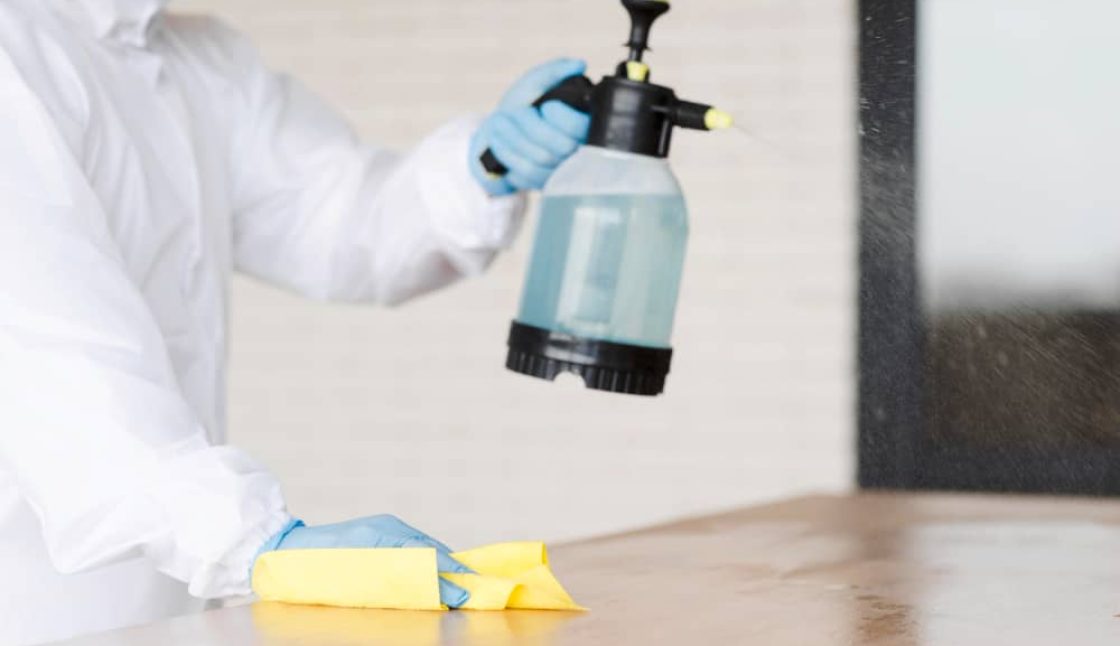
A household flea treatment may be needed for carpets, upholstery and other areas. Read the label before application. Remove pets, children, food, water bowls and toys as directed. Allow treated areas to dry fully and air out the area before anyone returns.
Some products contain insect growth regulators. Insect growth regulators interrupt the development of flea eggs and larvae, which helps stop new adults from appearing. They do not replace pet treatment or cleaning, and they may not kill adult fleas at once.
Do not spray a product on an animal unless the label specifically allows that use. Do not mix products. If you are unsure whether a household flea treatment is safe for your family or pets, ask the manufacturer or a qualified pest control professional.
Protect Each Pet and Stop the Flea Cycle
In a multi-pet household, every dog and cat should be checked. Treating only the pet with visible fleas often results in flea reinfestation because untreated animals continue to support adult fleas and distribute eggs.
Ask a veterinarian to create a plan for all animals, including rabbits or other pets that may need a separate product. Never give a dog or cat treatment to another species. Keep treated animals away from each other when the product label requires separation.
Environmental control supports pet treatment. Vacuum resting areas, wash pet bedding and remove clutter that gives larvae concealed places to develop. Continue these steps after adult fleas disappear because flea pupae can appear later.
Follow-up treatment is often required. Check pets with a flea comb every few days and watch for new flea dirt. Continue the schedule on the product label. Stopping as soon as you see improvement can leave young flea stages in the home.
If the infestation remains active after thorough treatment, contact a veterinarian and a pest control professional. The problem may involve an untreated pet, an application error, hidden pupae or a source outside the primary living area.
Can Fleas Live Through Canadian Winters?
Yes. Winter flea survival is possible wherever animals and suitable shelter are available. Indoor heating keeps homes comfortable enough for flea eggs, larvae and pupae to develop. Fleas may also survive in garages, sheds, enclosed porches, building common areas and other sheltered outdoor areas.
Cold weather can slow flea activity outdoors, but it does not remove year-round flea risk. A pet may pick up fleas from another animal, a visitor’s clothing or a protected resting site. Indoor pets can still develop a flea infestation during winter.
Year-round prevention protects pets across changing seasons. Keep using the recommended monthly treatment or other schedule unless your veterinarian advises a change. Regular vacuuming and washing pet bedding also lower the chance that hidden flea stages will remain.
When to Contact a Veterinarian
Contact a veterinarian if your pet has serious itching, visible sores, worsening redness, hair loss or symptoms of a skin infection. Constant scratching can break the skin and allow bacteria or yeast to enter.
Large numbers of fleas can lead to anaemia, especially in young kittens, young puppies, small dogs and animals with existing health issues. Warning signs include light-coloured gums, weakness, extreme tiredness, fast breathing and a lower appetite.
Seek urgent help after an unexpected reaction to a flea product. Shaking, twitching, vomiting, drooling, stumbling, why not find out more seizures, collapse or difficulty breathing require immediate attention. Bring the product package or a sharp photo of the label.
Veterinary advice is also appropriate when a product fails, when itching continues after fleas are gone, or when you are unsure which treatment is safe. Skin allergies, mites, infections and other conditions can look like flea bites.
Questions and Answers About Flea Control
How do I know if my pet has fleas?
Check for adult fleas, flea dirt, excessive scratching, red bumps, hair loss and repeated licking. Use a flea comb over a white surface and check the coat, pet bedding and resting areas. Flea dirt may become reddish-brown on a damp paper towel. A veterinarian can identify fleas and check for flea allergy dermatitis or a skin infection.
What flea treatments are safe for dogs in Canada?
Safe options include vet-approved oral flea medication, topical flea treatment and flea collars made for dogs. The product must match the dog’s age, species and weight. Read and follow the product label and avoid combining treatments unless a veterinarian gives clear instructions.
Are flea products safe for cats?
Cat-safe flea products are safe when used exactly as directed. Dog products can contain permethrin, which may cause permethrin toxicity and pyrethroid poisoning in cats. Never use a dog-only product on a cat. Ask a veterinarian about a species-specific product and correct dose.
How often does my pet need flea treatment?
Follow the product label because treatment intervals differ. Many pets need monthly treatment, while some products follow a different schedule. Dosing based on weight and the correct application interval are essential. Ongoing prevention may be needed because indoor heating supports flea activity in winter.
Do fleas live through Canadian winters?
Fleas can survive winter indoors, where heating provides warmth and pets provide a blood meal. Flea eggs, larvae and pupae may remain in carpets, furniture and pet bedding. Covered outdoor areas can also shelter fleas. Maintain flea prevention and home cleaning throughout the year.
What can I do to remove fleas from my home?
Vacuum carpets, floor edges, furniture and pet resting areas often. Wash pet bedding using the hottest safe wash and dryer settings. Treat pets with an authorised flea treatment, and consider a household flea control product containing insect growth regulators when suitable. Use all safety directions and plan for follow-up treatment.
Do I need to treat every pet in the household?
In most cases, yes. In multi-pet households, an untreated dog or cat can keep supporting adult fleas and spreading flea eggs. Have every animal checked and treated with the correct species-specific product. Do not use one animal’s medication on another animal.
When do fleas require veterinary advice?
Contact a veterinarian for intense itching, skin infection, pale gums, weakness, suspected anaemia or a reaction to flea medication. Seek urgent care for shaking, seizures, collapse, breathing trouble or suspected permethrin toxicity. Veterinary advice can also help when flea treatment has not stopped the infestation.